Sản phẩm


.svg)


.svg)


Growing a print-on-demand (POD) business takes more than uploading a few designs and waiting for orders. Between rising ad costs, shrinking attention spans, and buyers who compare five stores before checking out, sellers need a real strategy behind every product they launch.
The good news: the fundamentals that grow any online product-selling business still work — they just need to be adapted for how POD actually operates in 2026. Here are 10 tips to help you build a store that keeps converting long after the first sale.
Your storefront is doing the selling when you're not around, so it has to work as hard as your best salesperson. That means a clean layout, product photos that show the item in real use (not just flat mockups), and descriptions that answer the buyer's actual questions — sizing, material, print quality, shipping time.
Mobile matters more than desktop now. Most POD traffic checks out on a phone, and a slow-loading or cluttered mobile page kills conversions before a buyer ever reaches checkout. If your product pages haven't been reviewed for mobile speed recently, GearLaunch's mobile mockup conversion guide is a good place to start tightening that up.
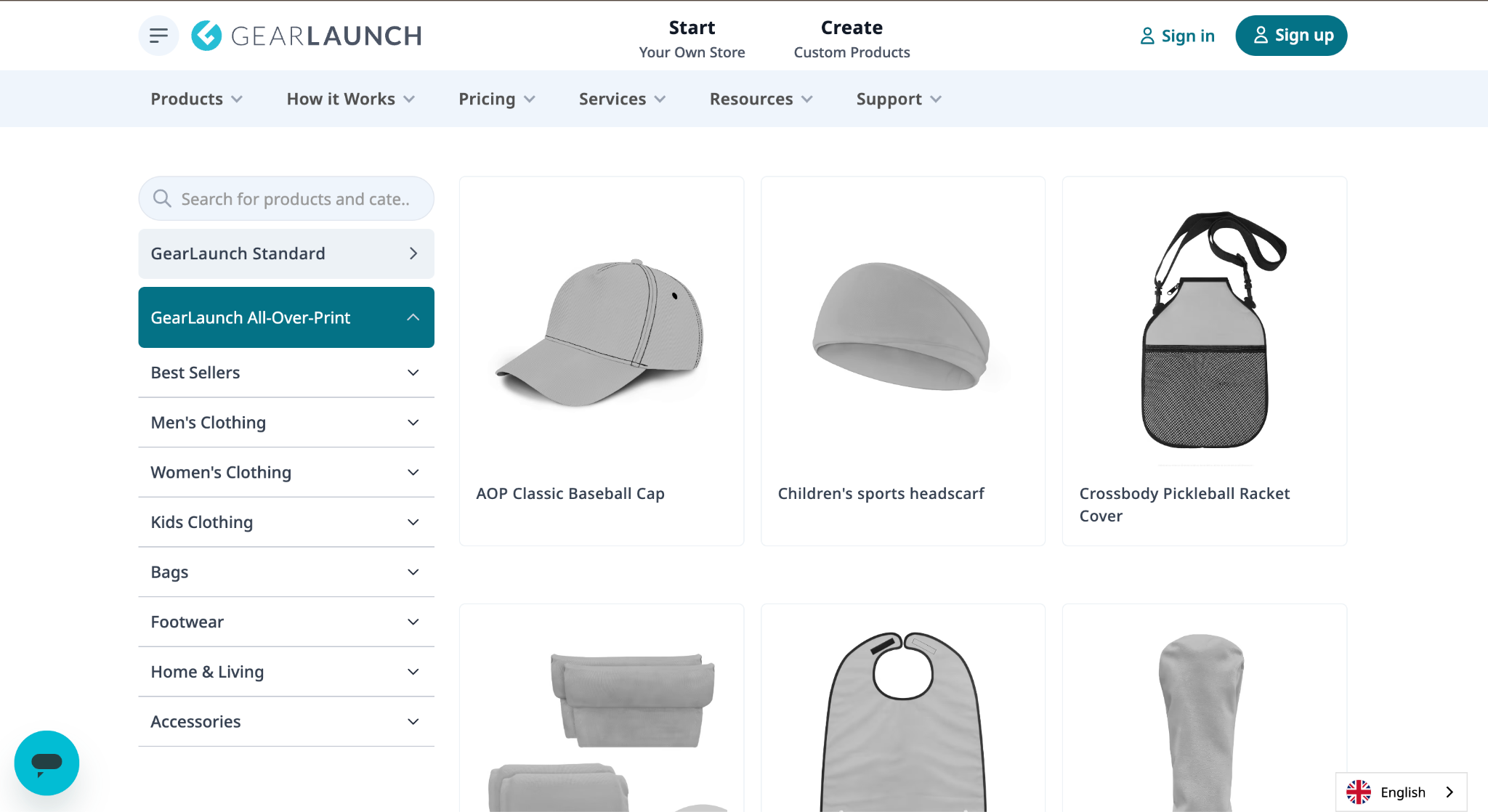
Social media platforms are still where niche buyers discover new POD products — Instagram and TikTok for visual niches, Facebook groups for hobby and community-based audiences, Pinterest for gift and home décor searches. Post the product in context (worn, used, gifted) rather than just the flat design. Add subtitles to video can also make short-form product content easier to understand, especially when viewers are watching without sound.
Design something with genuine niche appeal — a themed hoodie for a specific fandom or hobby, for instance — and let the niche's own community help it spread through shares, tags, and comments. Giveaways and small contests still work well for building an early following without ad spend.
Response speed shapes whether a customer comes back. Per Zendesk's benchmark research, more than half of consumers say they'll switch to a competitor after just one bad service experience — for a POD store running on repeat buyers and word-of-mouth, that's a costly way to lose momentum.
Set expectations clearly (response time, return policy, shipping windows) and answer inquiries fast across whatever channel the customer used to reach you. A buyer who gets a quick, human reply about a sizing question is far more likely to order again than one who waits three days for an autoresponder.

Response speed shapes whether a customer comes back. Per Zendesk's benchmark research, more than half of consumers say they'll switch to a competitor after just one bad service experience — for a POD store running on repeat buyers and word-of-mouth, that's a costly way to lose momentum.
Set expectations clearly (response time, return policy, shipping windows) and answer inquiries fast across whatever channel the customer used to reach you. A buyer who gets a quick, human reply about a sizing question is far more likely to order again than one who waits three days for an autoresponder.
Cung cấp thời gian phản hồi nhanh chóng cho các yêu cầu và khiếu nại của khách hàng. Ngoài ra, hãy cân nhắc cung cấp hỗ trợ 24/7 để khách hàng có thể nhận trợ giúp khi họ cần. Điều này sẽ chứng minh rằng bạn coi trọng khách hàng của mình và sẵn sàng vượt lên trên để đáp ứng nhu cầu của họ.
Cross-selling showing a related product at the right moment — is one of the cheapest ways to grow revenue, because you're not paying to acquire a new customer. Someone buying a graphic tee is a natural candidate for a matching tote or mug in the same design; someone buying home décor might add a second piece from your wall art or décor catalog.
Bundle discounts and small "complete the set" prompts on the product page tend to outperform generic upsell pop-ups. GearLaunch's AOV strategy guide walks through more tested bundling and cross-sell tactics if you want to go deeper here.
Email remains one of the highest-ROI channels for POD stores, but a single blast to your whole list underperforms segmented flows. Separate new subscribers, past buyers, and cart abandoners into different sequences, and tailor each one — a welcome flow for new sign-ups, a restock or new-drop alert for repeat buyers, and a reminder plus small incentive for anyone who left items in their cart.
Even a simple three-email welcome series introducing your best-selling mugs and drinkware or seasonal designs will outperform a one-size-fits-all newsletter.

Reviews and user photos carry more weight with shoppers than polished ad creative, because they read as unfiltered proof the product is worth buying. Ask buyers to leave a review after delivery, and where possible, request a photo of the product in use — real-life photos convert better than studio shots for exactly the reason GearLaunch breaks down in You're Sitting on a Goldmine.
Feature this feedback on product pages and in social posts. New visitors trust a stranger's photo far more than your own product copy.
Every extra step at checkout is a chance for a buyer to abandon the cart. Offering familiar, trusted payment options — major cards, PayPal, and a buy-now-pay-later option where available — removes a common objection, especially on higher-ticket bundles. If you sell internationally, showing prices and accepting payment in the buyer's local currency measurably reduces cart abandonment for cross-border shoppers.

Affiliate and micro-influencer partnerships let you pay for performance instead of impressions. A creator with a small, engaged niche following can move more product than a broad paid ad, because their audience already trusts their recommendations.
Start small — offer a flat commission or a free product in exchange for an honest post — and track which partners actually drive sales before committing to a larger, ongoing arrangement.
Paid ads stop working the moment you stop paying. SEO keeps working long after you hit publish. Solid keyword research, clean product titles and descriptions, and a handful of genuinely useful blog posts around your niche will keep bringing in organic traffic without an ongoing ad budget.
This doesn't need to be complicated to start. GearLaunch seller Lucy Quach built 1,000+ sales with zero ad spend using SEO, Pinterest, and TikTok — proof that organic channels can carry real weight for a POD store willing to put in the content work.

None of the tips above matter if you're not measuring the results. Watch which products, channels, and campaigns are driving sales versus which are draining budget, and be willing to cut what isn't working rather than sticking with it out of habit.
Review your numbers on a set schedule — weekly is usually enough for a growing store — so you catch a slump or a winning trend early enough to act on it.
By working through these 10 tips, you're building habits that compound rather than one-off wins. There's no single fix that grows a print-on-demand business overnight, but consistent attention to your store, your customers, and your data adds up fast. Ready to put these into practice? Browse the full GearLaunch product catalog or create your first product today.
What's the fastest way to grow a print-on-demand business without a big ad budget? SEO, social content, and cross-selling to your existing customers are the lowest-cost growth levers. They take longer to show results than paid ads, but the traffic and repeat sales they generate don't disappear the moment you stop spending.
How important is mobile optimization for a POD store? Very — most POD shoppers browse and buy on their phones, so a slow or cluttered mobile experience directly costs you sales. Test your product pages on mobile regularly, not just at launch.
Do I need a big following to make affiliate or influencer marketing work? No. A small, niche-relevant creator with an engaged audience often converts better than a large, broad account, especially when their followers already care about the niche your product fits into.
How often should I check my store's performance metrics? Weekly is a good baseline for most growing stores — frequent enough to catch a slump or a winning trend early, without spending all your time analyzing instead of selling.
What's the single biggest mistake sellers make when trying to grow? Spreading effort across too many tactics at once instead of doing a few well. Pick two or three of the tips above, execute them properly, and expand from there once they're working.


.svg)
.svg)
.svg)