Sản phẩm


Three years ago, I almost missed the holiday rush. I slapped snowflakes on t-shirts in mid-November, watched early shoppers go to everyone else, and barely broke even after scrambling to run ads and cut prices. Last year I launched in early October and planned production backward from December 25th, which gave me my best Q4 ever. Here is the Christmas and New Year print-on-demand game plan I'd follow today, updated for 2026.
Shoppers are cautious, but they are still buying gifts. PwC's Holiday Outlook 2026 found that people expect to spend an average of $708 on gifts, just 2% less than last year, and the NRF forecasts that November and December retail sales will grow 4.2% to $1.013 trillion. Much of that lands online: Adobe expects a record $275.1 billion in U.S. online holiday spending, up 6.7%, and 57.4% of it to happen on mobile. That favors print-on-demand sellers, because phone shoppers want gifts more personal than anything on a store shelf.
Timing matters, too. The NRF's October survey found that 64% of shoppers plan to do most of their holiday shopping during Thanksgiving weekend sales, so the next few weeks are when your store needs to be ready.

I've tested dozens of products over the years. Some flop. Others print money. Here's what consistently performs:
Custom Ornaments: The absolute champion of Christmas sales. The Christmas ornaments market was valued at $23.9 billion and is projected to grow at 5.2% annually through 2030 (Data Intelo). People buy these for themselves, as gifts, and to commemorate special moments.
With GearLaunch's personalization fields, you can offer customized family names, dates, and messages that turn a simple ornament into a keepsake.
Personalized Mugs: These sell year-round, but they explode during Q4. Think beyond "Merry Christmas"—I'm talking:
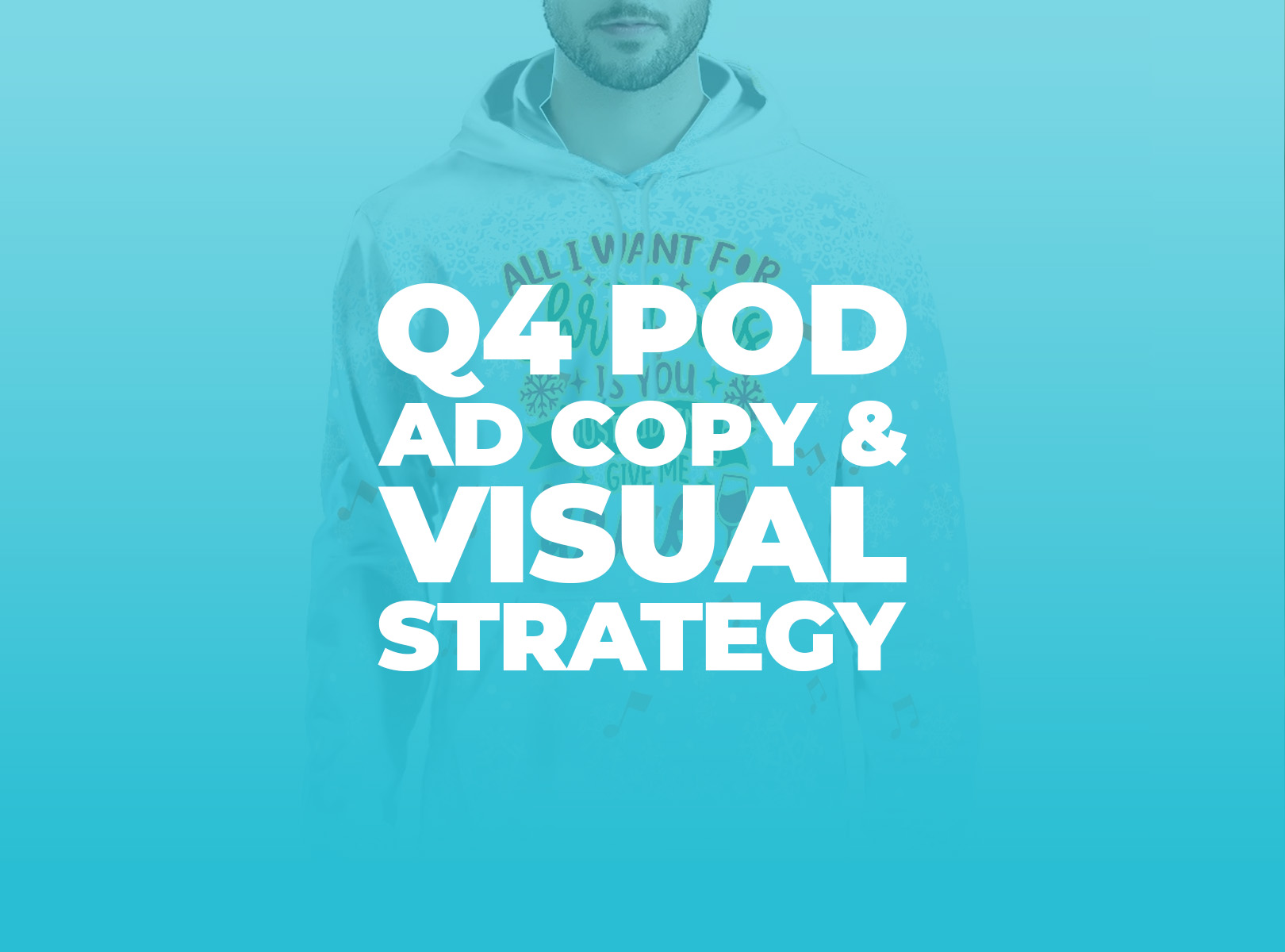
Festive Apparel: Ugly Christmas sweaters remain a tradition in the US, Canada, and UK, with National Ugly Christmas Sweater Day on the third Friday of December. But don't stop there—matching family pajamas, holiday hoodies, and festive t-shirts all perform incredibly well.
Target families, friend groups, and corporate teams who want matching outfits for photos and parties.
Home Décor: That Lasts Canvas prints, throw pillows, blankets, and acrylic plaques aren't just for Christmas—they're investments in home ambiance. Market them as "holiday décor you'll use every year" rather than single-season items.
The Sleeper Hits

Most sellers think about selling during the holidays. Winners plan for them, because the season starts when customers start thinking about Christmas. For more seasonal planning, browse the Holiday Selling Guides.
If your collection isn't live, launch it this week. Use search-friendly titles ("personalized Christmas gifts," "custom family ornaments"), and set up email sequences for existing customers. Personalized items use the full production window, so end their ads before your ready-made product ads.
Thanksgiving is November 26, Black Friday is November 27, and Cyber Monday is November 30. This is your biggest weekend, so make your offers clear and confirm your production timeline can handle the volume. Our Black Friday & Cyber Monday 2026 guide covers the full weekend plan.
Push hard. Your ads should be running, your email list engaged, and your descriptions focused on delivery. GearLaunch's Christmas scaling guide puts standard production at 3-5 business days plus 3-7 days of shipping, which makes a standard-shipping cut-off around December 8 a sensible target.
Update your messaging to "Order by [date] to receive by Christmas!" and create urgency without panic. Retarget visitors who haven't bought yet, and use National Ugly Christmas Sweater Day on December 18 as a hook for festive apparel.
Standard shipping has closed, so only promise what you can deliver and confirm any express options before advertising them. For late shoppers, offer a "your gift is on the way" deal with a January delivery expectation instead of pausing ads.
Don't stop. People have gift cards, cash gifts, and return money, and they're shopping for themselves and thinking about New Year's resolutions. Pivot your messaging to "treat yourself" and "fresh start" themes, such as "New Year, New Home Décor" and "Custom Gifts for Winter Birthdays." Start Valentine's designs in early January and launch by mid-January.
You don't need a massive ad spend. You need smart messaging that speaks to what people actually want.
Use the gift guide approach. Build content around gift categories, such as "10 Gifts for the Coffee Obsessed," "Matching Family Photo Gifts," or "Gifts for People Who Have Everything." Post them on social media, pin them on Pinterest, and share them in email.
Show the people behind the product. Share your design process and repost customer photos (with permission), because nothing sells like social proof.
Email your list on a schedule. Try "Black Friday Preview" in mid-November, "Our Biggest Sale of the Year" during Thanksgiving weekend, "Last Chance for Christmas Delivery" in early December, and "New Year, New You" after Christmas.
Write titles the way shoppers search. Think "Personalized Christmas ornament with family name," "Custom matching Christmas mugs for couples," or "Funny ugly Christmas sweater design." Think like a shopper.
Make personalization your superpower. Custom names, dates, and messages on supported products turn generic items into gifts. An ornament that reads "The Johnson Family 2026" is a treasure, and generic ornaments are everywhere.
Niche down and tell stories. "Christmas for dog lovers," "Christmas for nurses," and "Christmas for coffee addicts" beat "Christmas for everyone." Launch 20 great designs, not 500 mediocre ones, and sell the story: "Start every morning with a reminder that this mug was made just for you" beats "Custom mug with name."
I've made all of these, so learn from my pain.
Starting too late. If you're reading this in mid-November, you've missed some early birds but not the biggest weekend. Next year, start in September.
Overwhelming customers with choices. Keep variations simple: black, white, maybe red or green.
Ignoring production and shipping times. Plan for 6-12 business days from order to doorstep, and don't promise Christmas delivery if the math doesn't work.
Only targeting traditional families. Market to singles and friend groups, pet parents (personalized pet Christmas gifts), self-gifters, and corporate teams (office gift exchange mugs and bulk Christmas orders).
Forgetting about mobile. More than half of online holiday spending happens on phones, so check that your product images look good on a small screen.
Stopping on December 26th. The holiday season doesn't end with Christmas, so keep going into January.
Here's the truth: Yes, the market is crowded during Q4. But most sellers are lazy. They use generic designs, boring product descriptions, and zero personalization.
You're not going to be like them.
Your Competitive Edge:
Specific beats generic every time.
See the difference?
Stop reading. Start doing. Here's your this-week task list:

Most sellers crash in January. You're going to thrive.
Here's how:
Pivot Your Messaging
Keep Your Winners: That custom family ornament? It's now an "anniversary keepsake." That holiday mug? It's a "cozy winter essential."
Same products. Different angles.
Prepare for Valentine's: Start designing and planning in early January. Launch by mid-January. (See my previous blog for the full Valentine's strategy.)
The holiday season is the biggest opportunity of the year for print-on-demand sellers. But it's not about luck—it's about preparation, smart marketing, and giving customers what they actually want.
With GearLaunch handling production and fulfillment, you don't have to worry about inventory or shipping logistics. You can focus on what matters: creating products people love and getting them in front of the right buyers.
The sellers who win Q4 are the ones who start early, stay consistent, and don't stop on December 26th.
The clock is ticking. Your holiday collection should be live. Your marketing should be running. And your customers? They're out there right now, scrolling on their phones, looking for the perfect gift.
Make sure they find you.
When is the shipping cut-off for Christmas 2026 print-on-demand orders? A standard-shipping cut-off around December 8 is a sensible target. GearLaunch's Christmas guidance puts production at 3-5 business days plus 3-7 business days of shipping, or 6-12 business days in total. Check your own products and shipping method, and only promise delivery dates you can keep.
What are the best print-on-demand products to sell for Christmas? Custom ornaments, personalized mugs, festive apparel such as ugly Christmas sweaters and matching pajamas, and home décor such as canvas prints and blankets lead the list. Personalization makes each one giftable, which is why names, dates, and short messages convert so well.
Is it too late to launch a Christmas collection in mid-November? No, but move fast. The NRF found that 64% of shoppers plan to do most of their holiday shopping during Thanksgiving weekend sales, so a mobile-friendly collection that is live before Thanksgiving on November 26 can still catch the biggest wave.
What should I sell after Christmas? Keep selling your winners with new angles, because gift-card and treat-yourself shoppers are still buying. Ornaments become anniversary keepsakes, and holiday mugs become cozy winter essentials. Add New Year and winter-birthday gifts, then start Valentine's designs in early January so they're live by mid-January.
The sellers who win Q4 start early, stay consistent, and don't stop on December 26th. With GearLaunch handling production and fulfillment, you can focus on creating products people love and getting them in front of the right buyers. Browse the full GearLaunch product catalog to build your lineup, then create a product and get your holiday collection live today.